
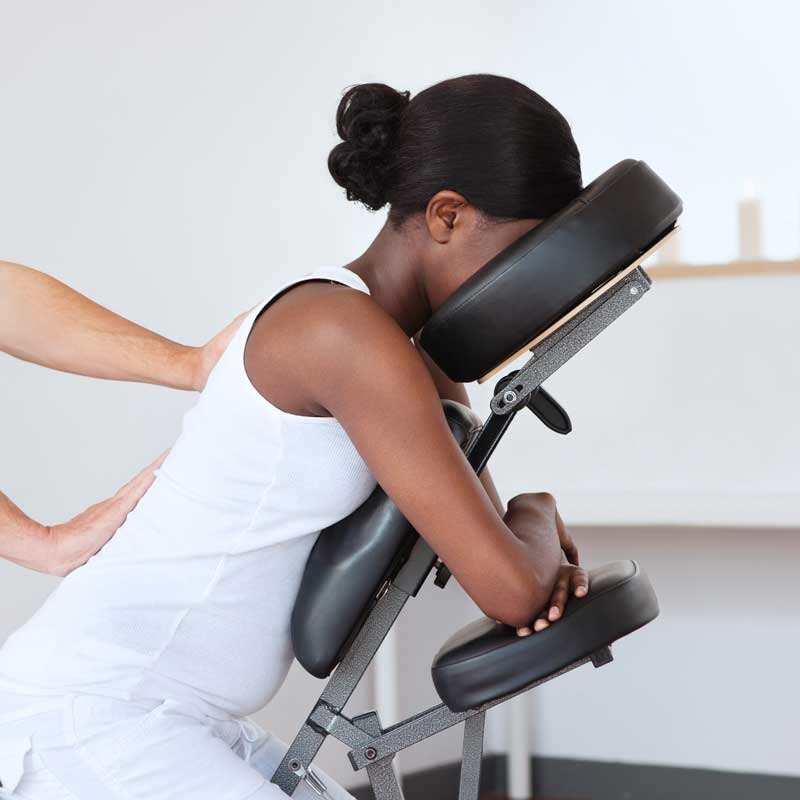
In today’s fast-paced world, many individuals experience muscle fatigue and soreness as a result of daily tasks, whether from physical labor, exercise, or prolonged periods of sitting. The question arises: can massage chairs truly aid in muscle recovery from these routine activities? Understanding how massage chairs work and their potential benefits is essential to addressing this inquiry.
Massage chairs are designed to simulate the techniques used by professional masseurs through mechanical rollers and airbags that apply pressure to various parts of the body. These devices often include features such as kneading, tapping, rolling, and vibration modes that target muscles in the back, neck, shoulders, legs, and sometimes even arms. By promoting blood circulation and relaxing tense muscles, massage chairs aim to alleviate discomfort caused by overuse or strain.
One key factor in muscle recovery is increasing blood flow to fatigued areas. Enhanced circulation helps deliver oxygen and nutrients necessary for repair while facilitating the removal of metabolic waste products like lactic acid that accumulate after exertion. Massage chairs contribute to this process by rhythmically compressing and releasing muscles which encourages better vascular function. This improved circulation may accelerate healing times compared to passive rest alone.
Additionally, using a massage chair reviews can reduce muscle stiffness by loosening tight fibers that develop from repetitive movements or poor posture during daily tasks. When muscles remain contracted for extended periods-such as when sitting at a desk or performing manual labor-they tend to become rigid and prone to injury. Regular sessions with a massage chair can help maintain flexibility by gently stretching tissues without causing further strain.
Stress relief is another important aspect linked with muscle recovery. Physical tension often correlates with mental stress; both factors exacerbate feelings of discomfort after strenuous activity. The soothing motions provided by massage chairs stimulate the parasympathetic nervous system-the part responsible for relaxation-thereby lowering cortisol levels (the stress hormone) and promoting an overall sense of well-being. Reduced stress contributes indirectly but significantly toward faster muscular restoration.
While research on massage chairs specifically remains somewhat limited compared to hands-on therapy methods like professional massages or physical therapy interventions, preliminary studies suggest beneficial effects on subjective pain reduction and functional improvement following exercise-induced soreness.
It is important however not to view massage chairs as a standalone solution but rather as a complementary tool within a broader recovery regimen including proper hydration, nutrition, adequate sleep quality, stretching exercises,and active rest days tailored accordingto individual needs.
In conclusion,massagechairscan indeed assistwithmusclerecoveryfromdailytasksby improvingcirculation,reducingstiffness,and alleviatingstress-relatedtension.They offer aconvenientandaccessible optionforindividuals seekingreliefafter longhoursofphysicalactivityor sedentarywork,but should beused mindfully alongside other healthy practicesfor optimal results.The integrationofmassagechairtherapyinto everyday routines might enhance comfortlevelsand promote sustained musculoskeletal health over time.


